Modern commercial and industrial buildings often use large open spaces, atriums, wide corridors and flexible layouts. While these designs improve accessibility and appearance, they can also create openings through which fire and heat may spread.
A fire curtain is a deployable fire-resistant barrier designed to help divide these spaces during a fire.
Under normal conditions, the curtain is usually stored above the opening. When the fire protection system is activated, it deploys into position and forms a temporary fire barrier.
This allows the building to remain open during normal use while still providing fire compartmentation when required.
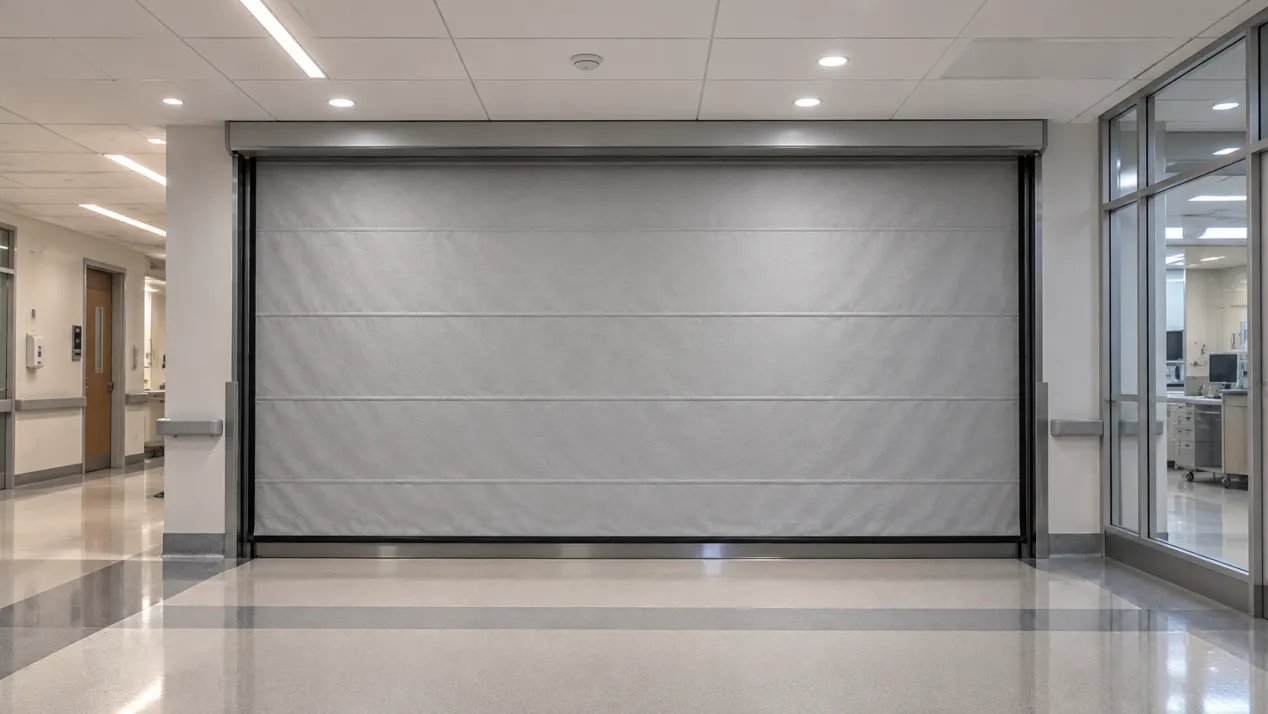
What Is a Fire Curtain?
A fire curtain is a flexible fire-resistant barrier installed across an opening as part of a building fire protection system.
Unlike a permanent wall, it normally remains retracted until activated.
A typical automatic fire curtain system may include:
fire-resistant curtain fabric;
roller and head box;
side guides;
bottom bar;
motor and drive system;
control panel;
fire alarm interface.
When a fire signal is received, the curtain moves into its designed position and helps restrict the spread of fire and heat between different areas of the building.
The exact system configuration depends on the opening size, building structure, fire resistance requirement and project specification.
Why Are Fire Curtains Used?
Traditional fire compartmentation commonly uses fire-rated walls and fire doors.
However, some buildings contain large openings where permanent barriers would interfere with normal movement or architectural design.
Fire curtains are particularly useful in areas such as:
shopping mall atriums;
airports and transportation buildings;
commercial buildings;
industrial facilities;
exhibition spaces;
corridors and circulation areas;
large open interior spaces.
Because the curtain can remain stored when not required, it provides a practical way to combine open architecture with fire separation.
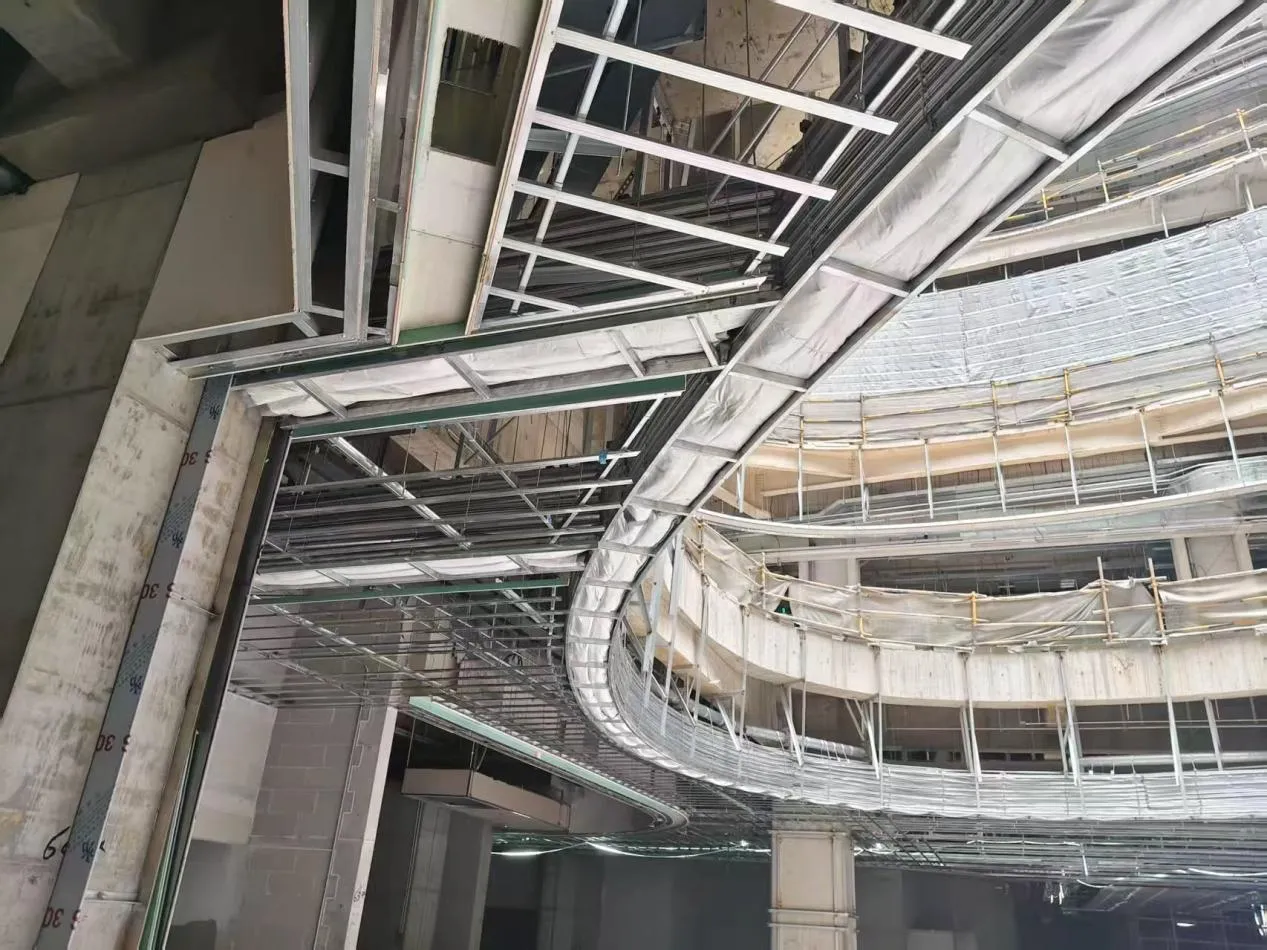
How Does a Fire Curtain Work?
During normal building operation, the curtain is stored inside a head box above the protected opening.
When the fire alarm system sends an activation signal, the control system starts deployment.
The curtain then moves downward or into its designed fire-protection position.
Depending on the system design, operation may involve:
electric motor drive;
controlled descent;
gravity fail-safe operation;
backup power;
fire alarm signal integration.
Once deployed, the fire-resistant curtain creates a barrier across the opening.
The exact control sequence should be determined according to the building fire strategy and project requirements.
Main Components of a Fire Curtain System
Fire-Resistant Curtain
The curtain is the main fire barrier.
It is manufactured from fire-resistant materials designed to maintain performance under elevated temperatures.
The material and construction depend on the required fire resistance and system design.
Roller and Head Box
The curtain is normally stored around a roller inside a head box.
This structure keeps the system compact when the curtain is not in use.
Available headroom is therefore an important consideration during project design.
Side Guides
Side guides help control curtain movement and keep the curtain in its intended position after deployment.
Their size and construction depend on the opening dimensions and installation structure.
Bottom Bar
The bottom bar provides weight and stability to the lower edge of the curtain and helps ensure consistent deployment.
Motor and Control System
Automatic fire curtains normally use a dedicated motor and control system.
The control panel may be connected to the building fire alarm system and configured according to the required emergency operating sequence.
Common Types of Fire Curtains
Different building openings require different fire curtain configurations.
Two common types are:
Vertical Fire Curtain
A vertical fire curtain deploys downward from above the opening.
It is commonly used for straight openings, corridors, atrium edges and commercial spaces.
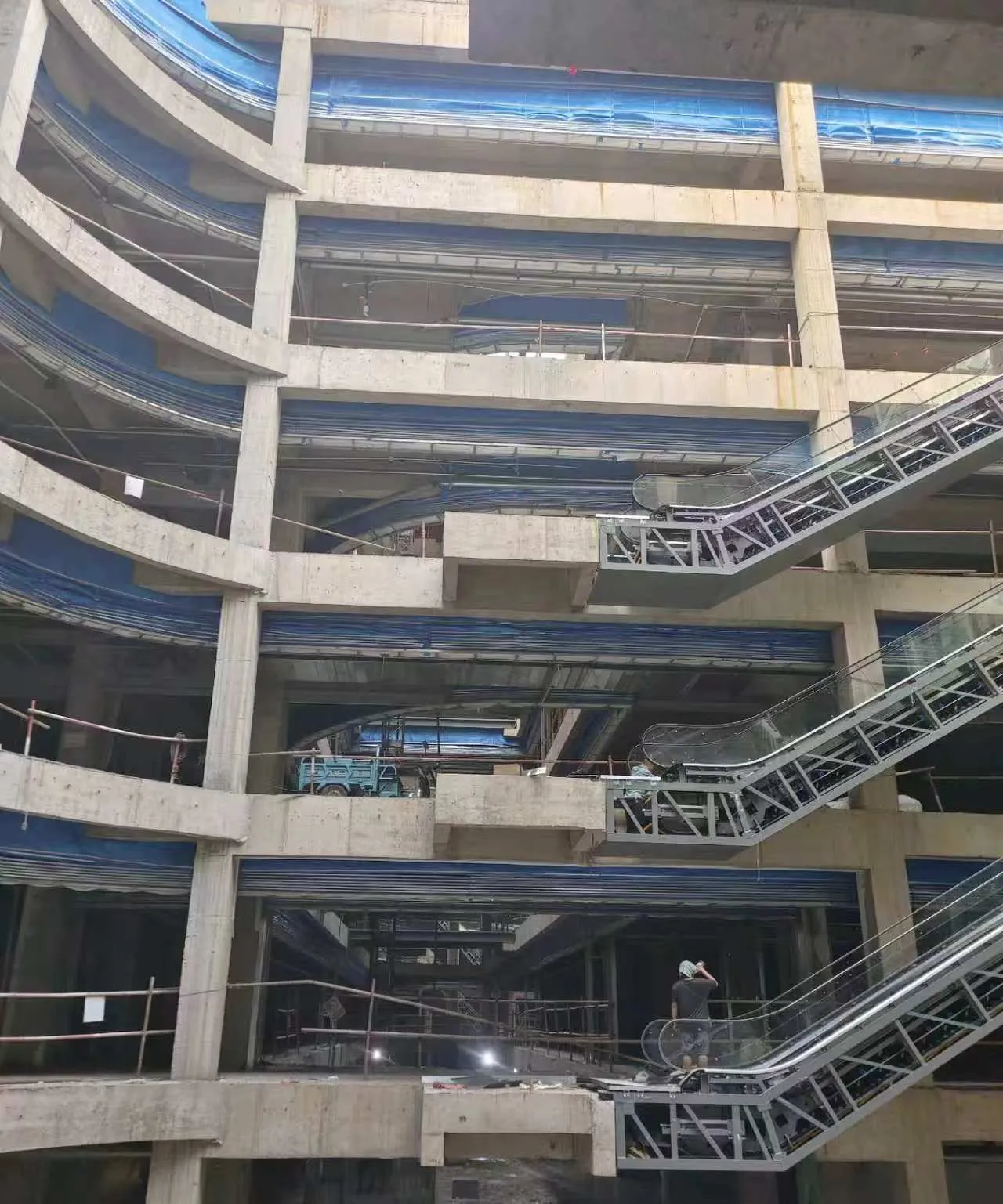
Concertina Fire Curtain
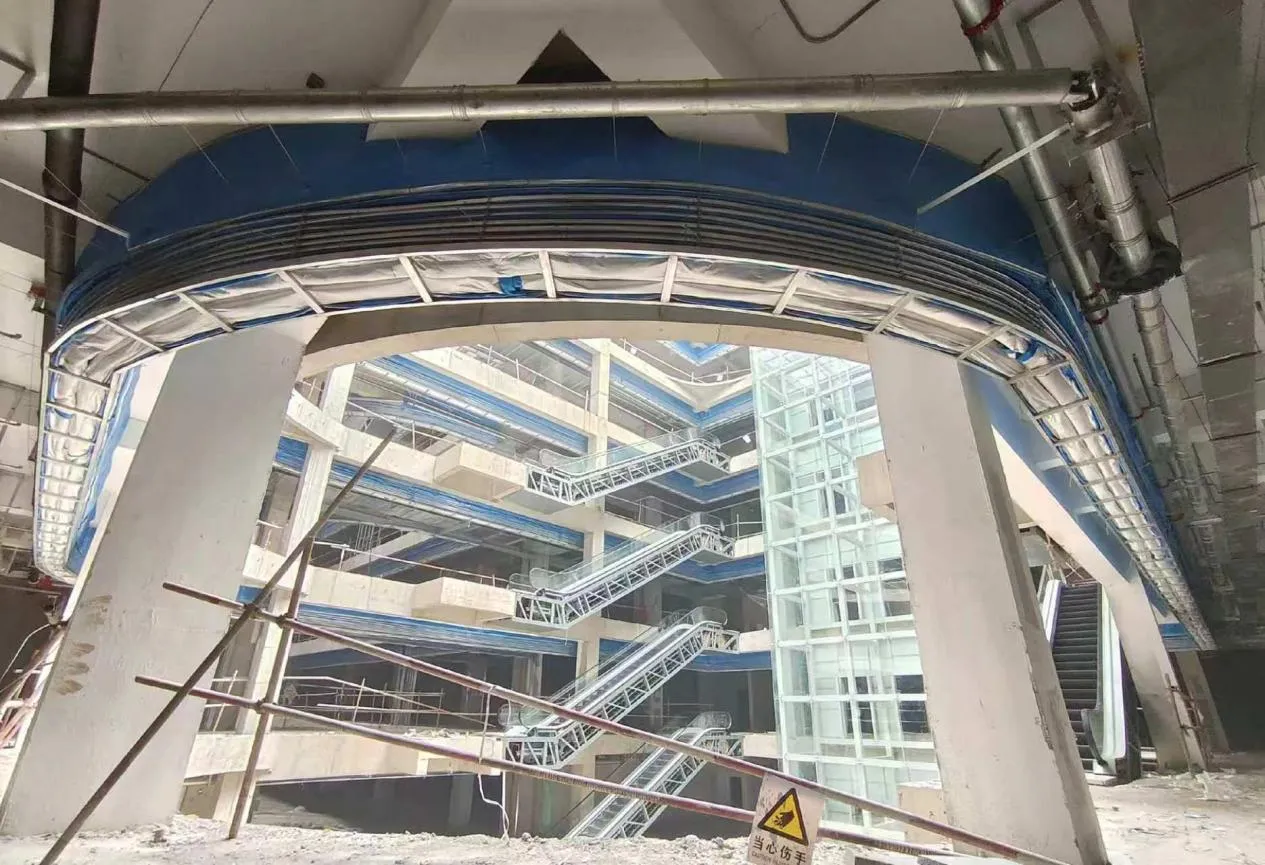
A concertina fire curtain can form a multi-sided enclosure around a larger or irregular open area.
It is often used where a simple straight curtain cannot provide the required separation.
These two systems have different structural and installation requirements.
For a more detailed comparison, see:
Vertical Fire Curtain vs Concertina Fire Curtain
Fire Resistance Ratings
Fire curtain systems may be designed for different fire resistance periods depending on the project.
Typical project requirements may include:
60, 90, 120, 180 or 240 minutes.
The required rating depends on factors such as:
building design;
protected opening;
applicable fire regulations;
system configuration;
project specification.
Fire resistance should be considered together with the complete curtain system, installation method and supporting structure.
Different markets may also require reference to standards or certification systems such as EN, CE, UL, CCC or other local requirements.
These requirements should be confirmed during project review.
Where Are Fire Curtains Used?
Shopping Malls
Large shopping centers often contain open atriums and circulation areas.
Fire curtains can help create fire compartments without permanently closing these spaces.
Airports
Airport terminals contain large open areas and complex circulation routes.
Deployable fire barriers can be used where permanent separation would interfere with passenger movement.
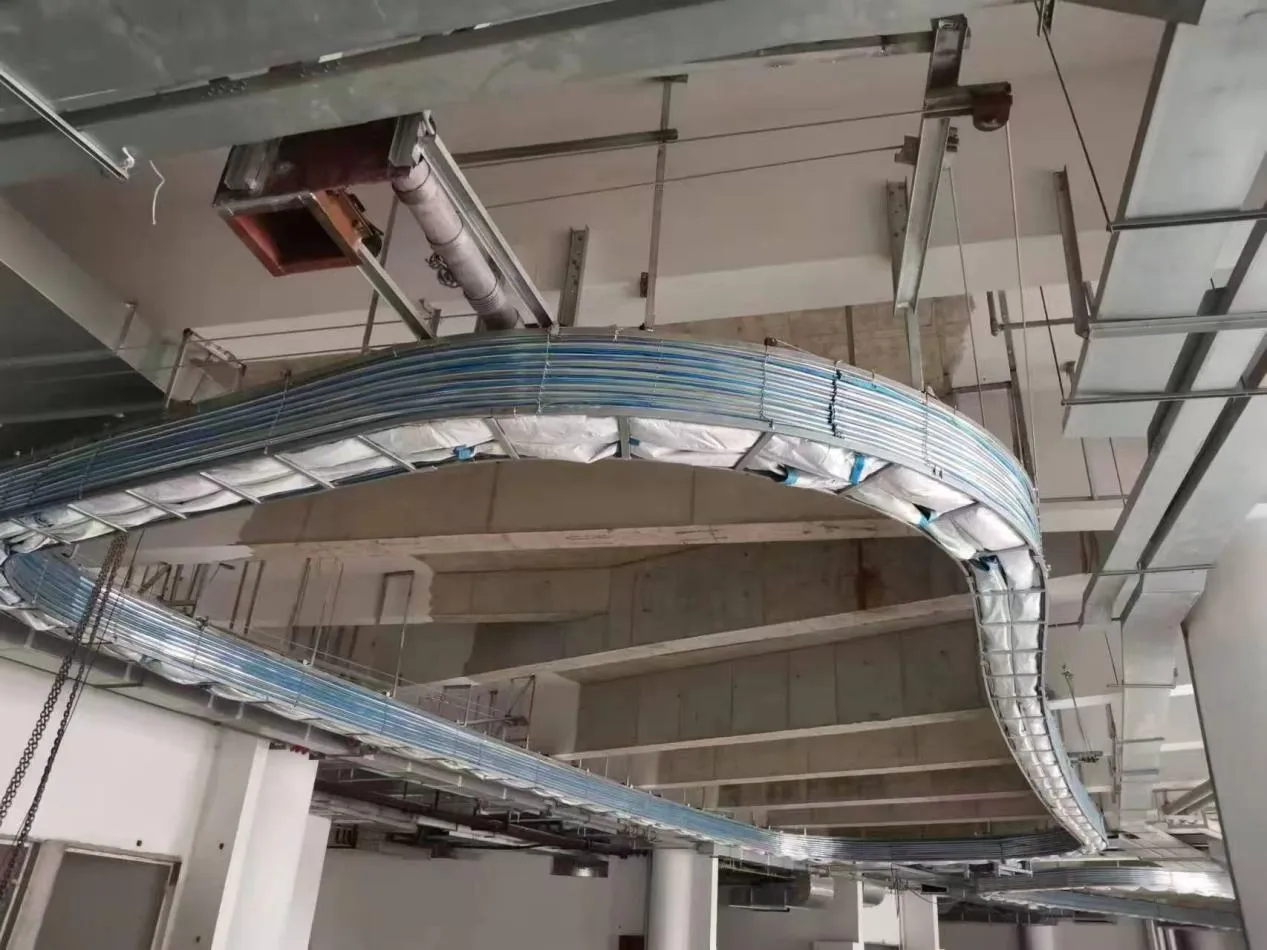
Industrial Buildings
Factories and warehouses may contain large openings between production, storage and circulation areas.
Fire curtains can provide separation while allowing normal operation when the system is retracted.
Commercial Buildings
Office buildings, mixed-use developments and exhibition facilities may use fire curtains around atriums, corridors and large openings.
Fire Curtain and Other Fire Protection Products
A fire curtain is only one type of fire protection product.
Depending on the opening and project requirements, other solutions may include:
fire shutters;
steel fire doors;
smoke curtains;
fire-rated walls.
These products are not interchangeable in every application.
For more detailed comparisons, see:
Fire Curtain vs Fire Shutter
and
Fire Curtain vs Smoke Curtain
Those articles explain the differences in greater detail without repeating them here.
What Should Be Confirmed Before Selecting a Fire Curtain?
Before selecting a system, several basic project conditions should be confirmed.
These normally include:
opening width and height;
available headroom;
side installation space;
supporting structure;
required fire resistance;
installation position;
power supply;
fire alarm interface;
project location.
Detailed drawings and site photographs are especially useful for large or customized openings.
For a complete quotation checklist, see:
What Information Is Needed for a Fire Curtain Quotation?
Why Project-Specific Design Matters
Fire curtain projects often involve different site conditions.
Some openings may be very wide, very high or limited by beams, ceilings and structural obstacles.
For this reason, components such as the curtain, roller, guide system, motor and control system may need to be selected according to the actual project.
Accurate dimensions and installation information should therefore be confirmed before production.
Installation and Maintenance
Correct installation is important for reliable fire curtain operation.
Contractors should confirm:
structural fixing points;
guide alignment;
head box position;
electrical connections;
fire alarm interface;
deployment clearance.
After installation, the curtain should be tested to confirm smooth movement and correct operation.
Regular inspection is also recommended.
Typical maintenance checks may include the curtain fabric, guide rails, motor, roller, control panel, electrical connections and emergency operating functions.
Inspection intervals should follow the relevant project requirements and maintenance procedures.
Fire Curtain Solutions from HUADUN
HUADUN manufactures fire protection doors and curtain systems for commercial and industrial projects.
Our fire curtain products include different configurations for straight and large openings, including Vertical Fire Curtains and Concertina Fire Curtains.
Project configuration can be reviewed according to:
opening dimensions;
building structure;
required fire resistance;
operating method;
control requirements;
installation conditions.
For customized projects, drawings and technical details can be reviewed before production.
Need a Fire Curtain for Your Project?
Send HUADUN your:
opening dimensions, quantity, drawings, installation conditions and fire resistance requirements.
Our team can review the project information and recommend a suitable fire curtain configuration.
Custom Manufacturing, Project Support, and Global Export Experience
Maji Industrial Park, Jining Economic Development Zone, Shandong Province, China
Whatsapp : +8618853718958
Email : [email protected]


Copyright © 2026 by Shandong Jining Huadun Door Industry Co., Ltd. All Rights Reserved