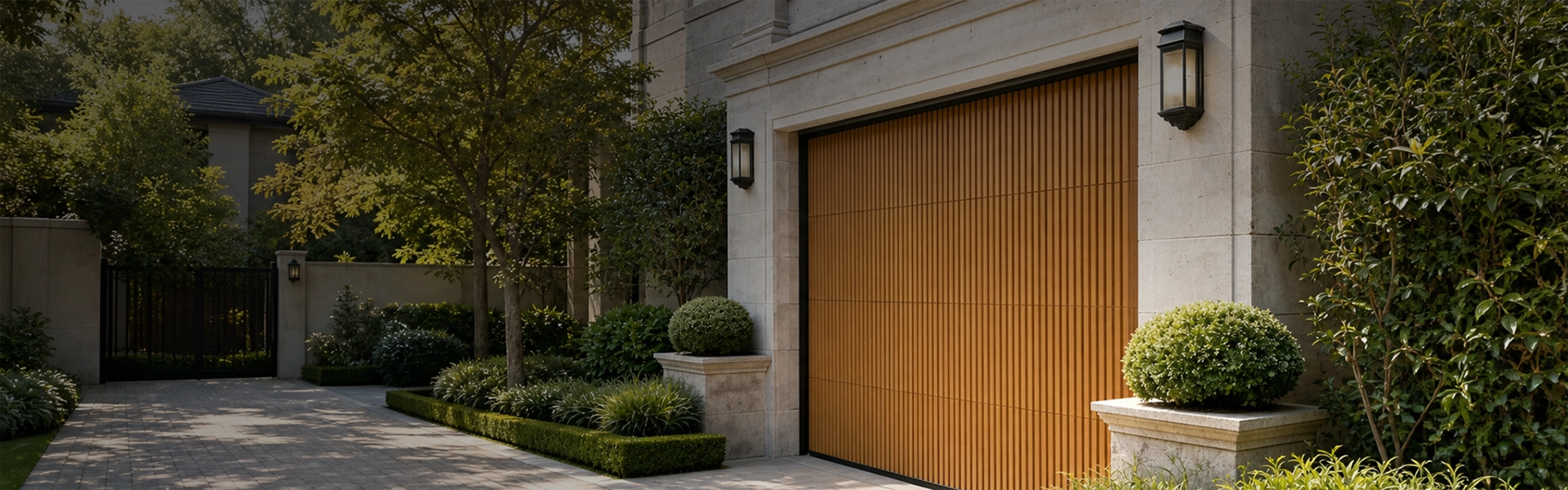
Fire curtains and smoke curtains are sometimes confused because both can remain largely hidden during normal building operation and deploy when required.
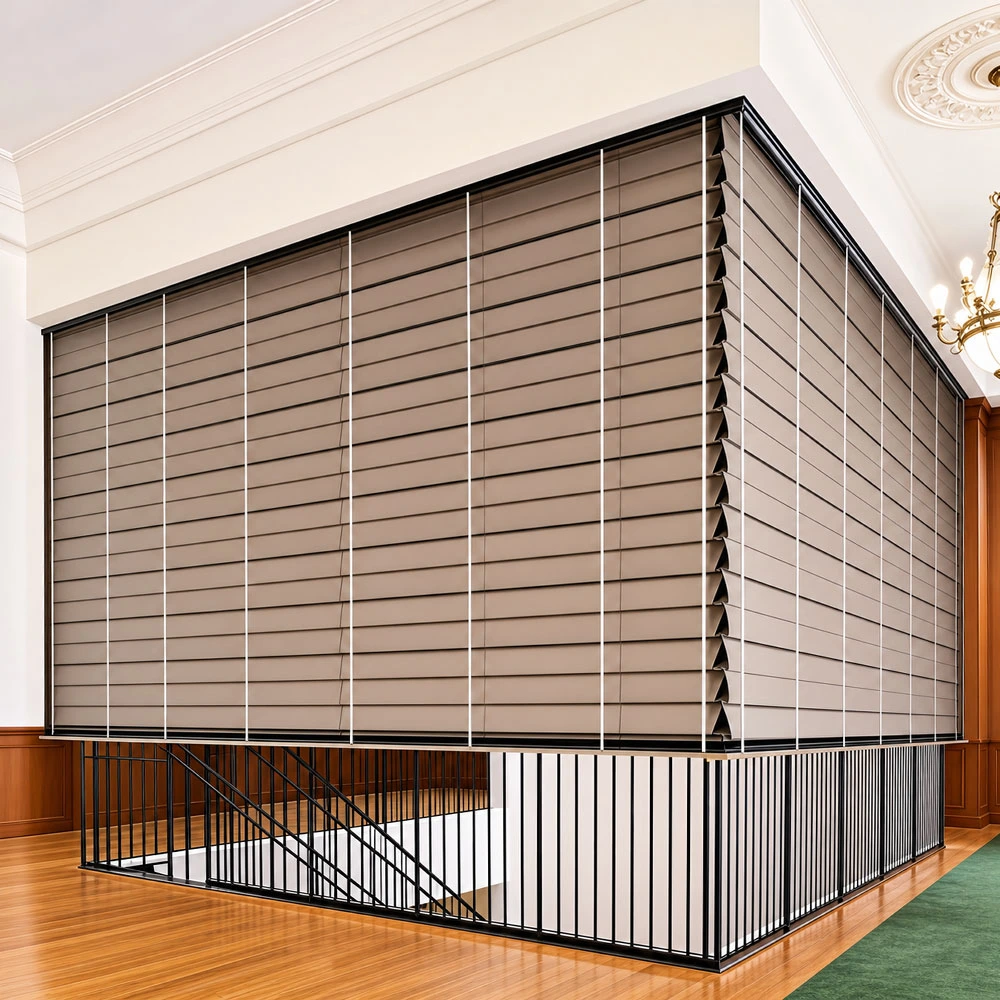
Their functions, however, are different.
A fire curtain is primarily associated with fire compartmentation. When deployed, it helps separate areas of a building and limit the spread of fire according to the performance of the tested system.
A smoke curtain is primarily used to manage smoke movement.
In large open spaces, smoke can spread rapidly beneath the ceiling. Smoke curtains can be used to form smoke reservoirs, channel smoke or support a smoke extraction strategy.
This distinction affects the product structure.
Fire curtains may require side guides and other components designed around the required fire-resistance performance.
Smoke curtains may be fixed or automatic depending on the smoke control strategy and the building design.
Automatic smoke curtains remain retracted during normal use and deploy when they receive the appropriate control signal.
Fixed smoke curtains remain permanently in position.
Applications also differ.
Fire curtains are commonly considered where a protected opening needs fire compartmentation but a permanent wall or conventional fire door would interfere with normal building use.
Smoke curtains are frequently found in atriums, shopping centres, airports and other large-volume spaces where smoke movement must be controlled as part of the overall fire engineering design.
One product should not automatically be substituted for the other.
The correct choice depends on the building's fire and smoke control strategy, required performance, opening conditions and applicable regulations.
For a quotation, it is useful to provide drawings showing the opening and surrounding structure together with the required fire or smoke control specification.
Custom Manufacturing, Project Support, and Global Export Experience
Maji Industrial Park, Jining Economic Development Zone, Shandong Province, China
Whatsapp : +8618853718958
Email : [email protected]


Copyright © 2026 by Shandong Jining Huadun Door Industry Co., Ltd. All Rights Reserved